Blog
Custom Sauna Suit Manufacturer: Fabric Tech & Sourcing Guide

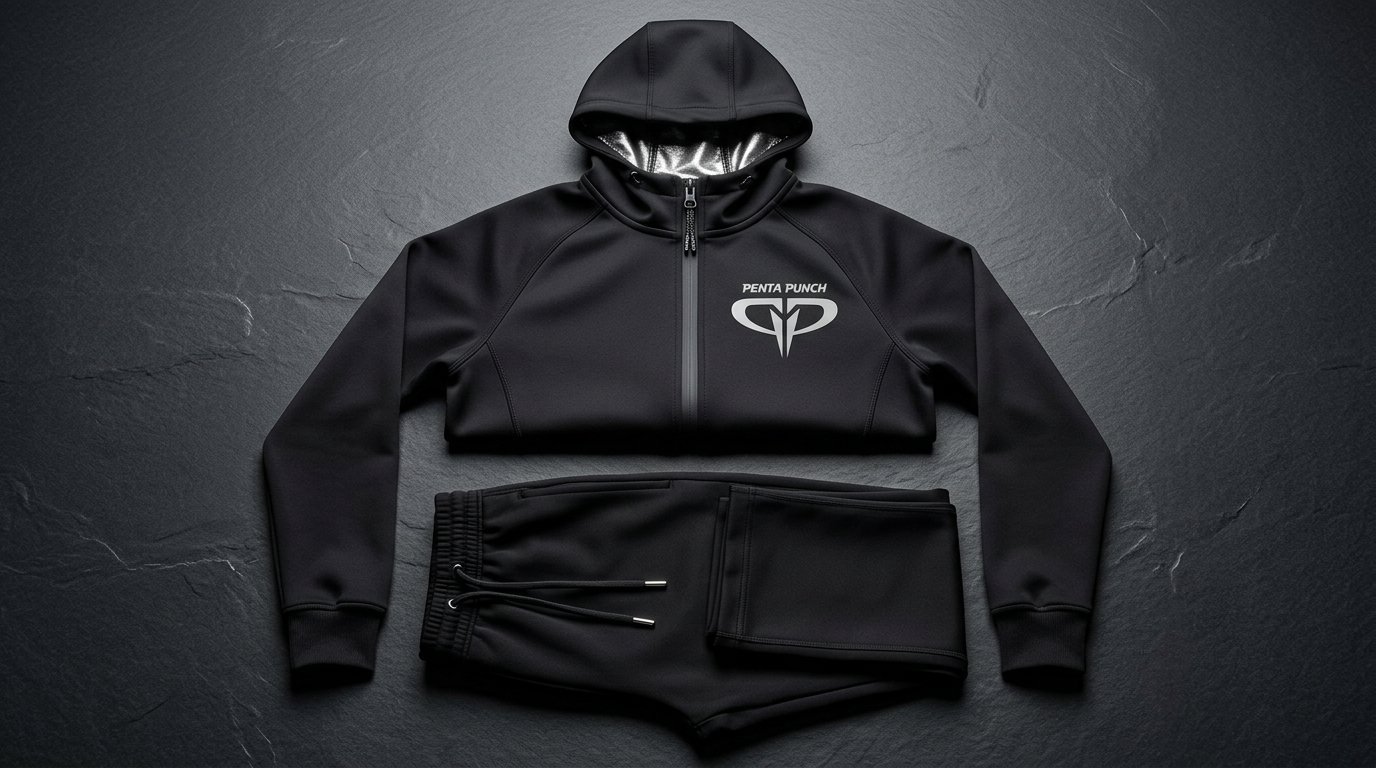
The Modern Sauna Suit: From Hazardous Plastic Bags to High-Tech Combat Apparel
In combat sports, weight management is an exacting science where grams determine divisional eligibility, power-to-weight ratios, and competitive parity. For decades, boxers, mixed martial artists, and wrestlers relied on crude, disposable vinyl sweat suits—often little more than glorified polyethylene garbage bags. These antiquated suits were notorious for tearing at the crotch during warm-up squats, emitting harsh chemical odours, and presenting severe safety hazards through uncontrolled heat accumulation without moisture management.
Today, the commercial landscape for weight-cutting apparel has transformed dramatically. High-performance combat sports apparel brands, professional fight teams, and martial arts gym pro shops demand technical sauna suits engineered with aerospace-inspired polyurethane coatings, hydrophobic nanofabrics, and waterproof heat-welded seam technology. Alongside staple training gear like custom rash guards, MMA fight shorts, and custom boxing shorts, private label sauna suits represent an exceptionally lucrative, high-turnover category with rapid recurring demand.
For brand founders, apparel line directors, and fitness equipment distributors sourcing from Sialkot, Pakistan—the world’s epicentre of combat gear manufacturing—partnering with an experienced OEM & private label manufacturer ensures your products meet international athletic commission safety expectations while delivering superior durability and sleek, modern aesthetics. This comprehensive guide covers the material engineering, heat-trapping thermodynamics, seam construction standards, and private label customization blueprints required to source commercial-grade sauna suits.
Material Science: Polyurethane Nanocoatings vs. Thermal Neoprene vs. Coated Ripstop
The efficacy and durability of any custom sauna suit rest entirely on textile engineering. Unlike standard sportswear that prioritizes maximal breathability, sauna suits are engineered as microclimate barriers. They trap convective and radiant body heat, dramatically accelerating perspiration rates during cardiovascular conditioning and active weight cuts while maintaining athlete mobility.
1. PU-Coated Ripstop Nylon / Polyester (The Modern Industry Standard)
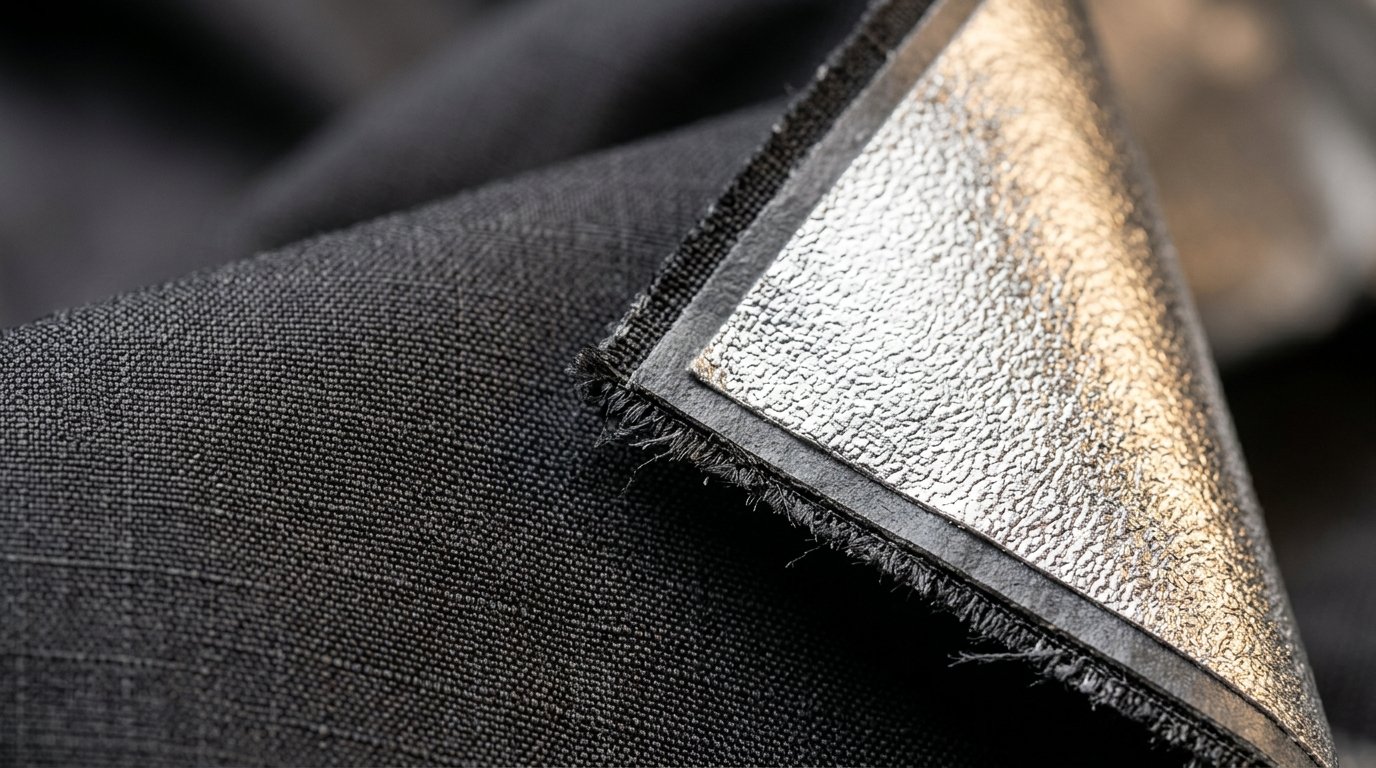
The premier textile choice for professional boxing and MMA weight-cut suits is lightweight, high-density ripstop woven nylon or polyester (typically 190T to 210T density, 70–120 GSM) coated on the reverse side with a specialized polyurethane (PU) or thermoplastic film. Key structural benefits include:
- Zero Moisture Vapor Transmission (0% MVTR): Creates a total vapor barrier, preventing evaporative cooling and holding core ambient warmth close to the epidermis.
- Cross-Hatch Grid Tear Resistance: The integrated ripstop grid stops surface punctures or snagging from propagating into catastrophic fabric tears during explosive jump-rope drills or bag work.
- Ultralight Drape: Weighing less than 400 grams per complete two-piece set, athletes experience unrestricted range of motion without feeling weighed down by heavy saturated fabrics.
2. Silver Heat-Reflective Polymer Lining (Radiant Trap Technology)
Premium flagship suits utilize an advanced vacuum-metallized aluminum or silver-polymer inner coating. This inner surface operates on thermal radiation principles: it reflects up to 90% of infrared heat waves radiated by the fighter back into the body core, triggering rapid, uniform sweat activation within 5 to 10 minutes of light shadowboxing. Furthermore, high-grade silver-ion treatments impart natural bacteriostatic properties, neutralizing odour-causing bacteria generated during heavy training sessions.
3. Hydrophobic Stretch Neoprene (Targeted Shaping & Thermal Compression)
For form-fitting weight-loss apparel, waist trimmers, and combat grappling thermal tops, 1.5mm to 2.5mm closed-cell SBR/SCR neoprene laminated with four-way stretch nylon provides continuous core compression and localized thermal containment. While heavier than ripstop suits, neoprene provides muscular support during wrestling drills and resistance conditioning.
| Textile / Material Tier | Fabric Weight (GSM) | Thermal Retention Rate | Tear & Tensile Strength | Target Retail Market |
|---|---|---|---|---|
| Cheap PVC / Vinyl Film | 180–240 GSM | Moderate (Uncontrolled) | Extremely Low (Brittle) | Budget Mass Retail (Outdated) |
| 210T PU-Coated Ripstop Nylon | 85–110 GSM | High (Uniform Barrier) | Superior (Rip-Resistant) | Professional Fightwear & Boxing Gyms |
| Silver-Infused Radiant Nanofilm | 95–125 GSM | Maximum (Infrared Reflection) | High (Reinforced Backing) | Premium Athlete Brands & Flagship Lines |
| 2.0mm SCR Neoprene Composite | 220–280 GSM | High (Direct Conductive) | High (Elastomeric Stretch) | Compression Gear & Grappling Apparel |
Anatomical Engineering & Seam Integrity: Preventing Blowouts
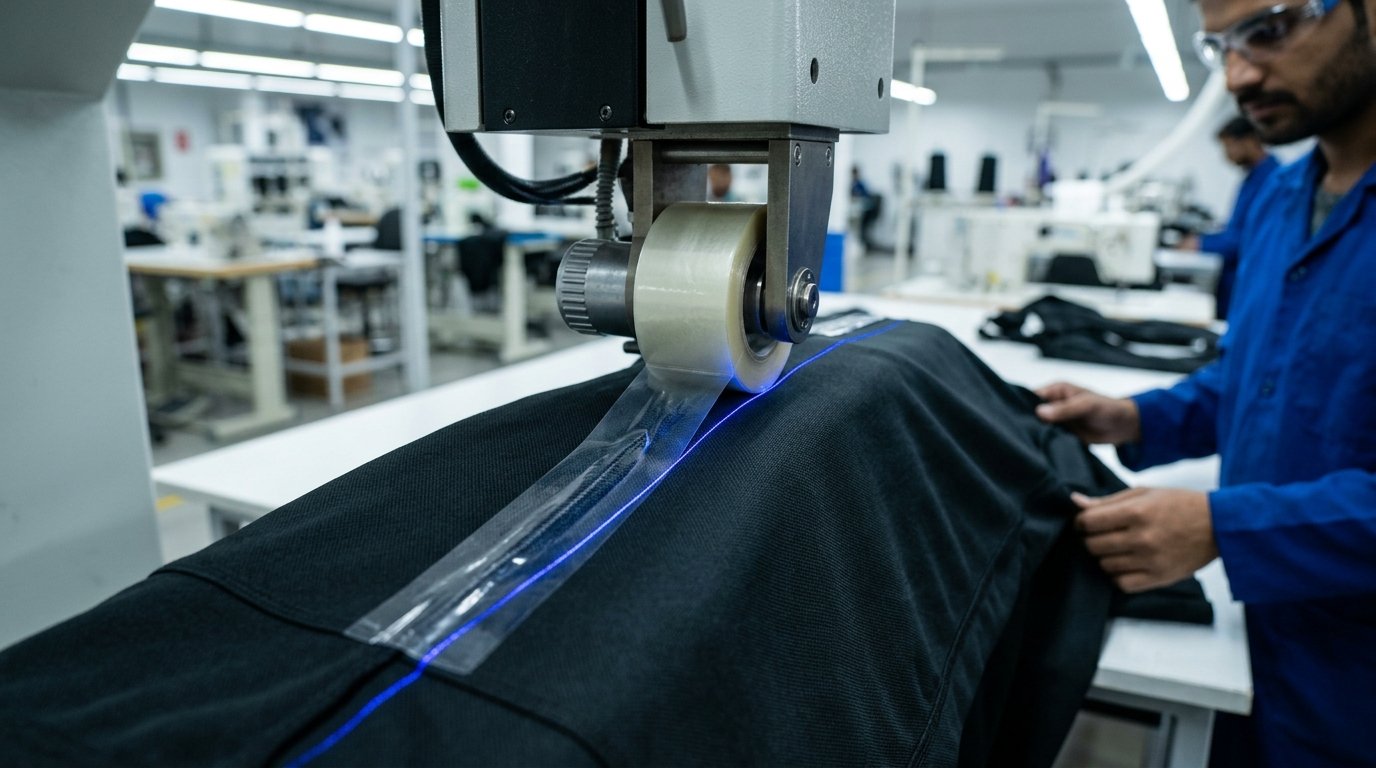
The most common point of failure in low-grade sweat suits is structural blowouts under dynamic tension. Combat athletes perform high kicks, deep lunges, grappling scrambles, and high-velocity pad combinations. A garment constructed with standard single-needle stitching will rupture at the groin, armpits, or knees under hydraulic pressure from accumulated sweat and explosive joint articulation.
Key Structural Construction Components
- Diamond Gusset Crotch Panel: Instead of a standard 4-way intersecting cross seam at the groin, professional suits incorporate a dedicated diamond-shaped or oval gusset. This redistributes mechanical shear stress across adjacent panels during deep squats and grappling sprawls.
- Ergonomic Raglan Sleeve Cut: Eliminates conventional perpendicular shoulder seams, giving fighters 360-degree rotational mobility for jabs, hooks, and clinch entries without lifting the jacket hem off the waist.
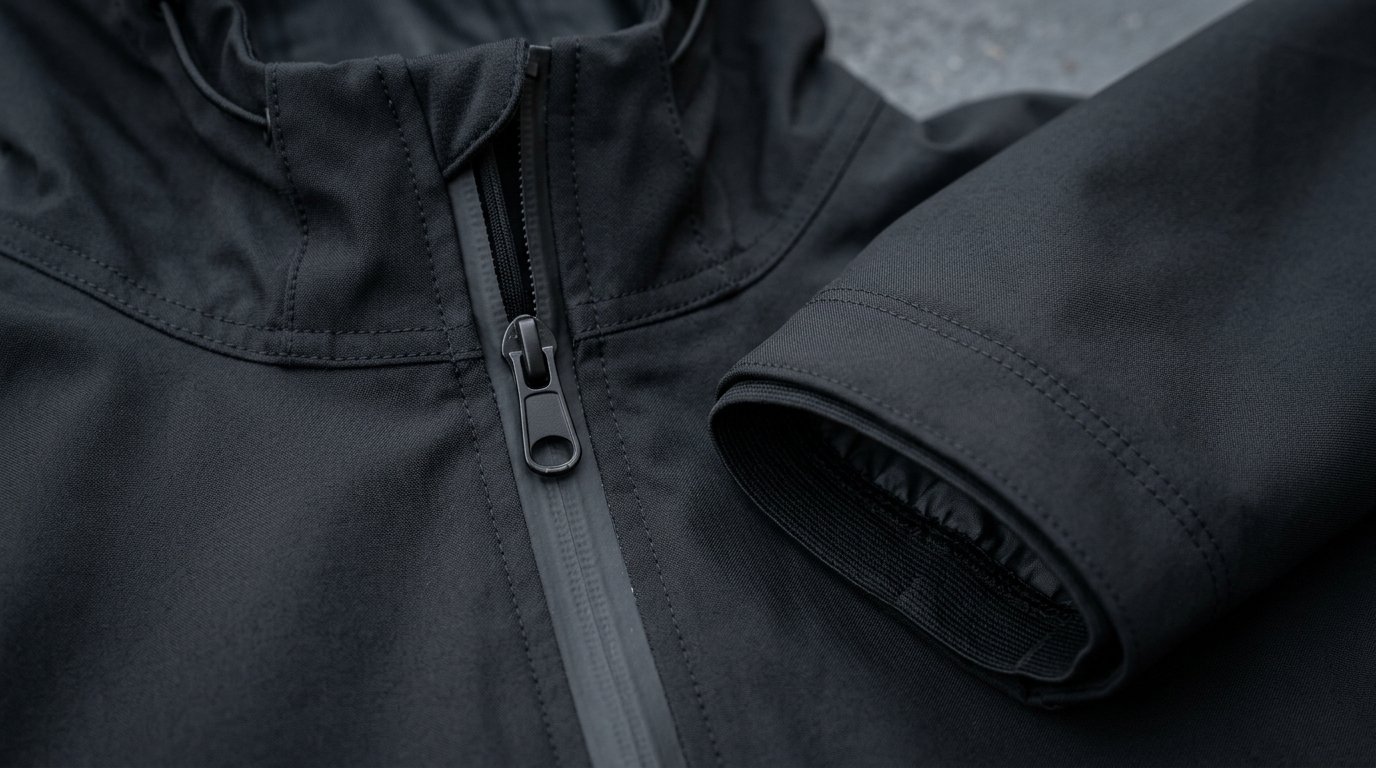
- Multi-Elastic Lockdown Seals: High-resilience, latex-free elastic encasements at the neck, wrist cuffs, waist hem, and ankle openings lock in internal body heat while preventing sweat from pooling out onto training mats or canvas rings.
- Inverted Waterproof Zippers with Guard Garages: Heavy-duty, rubberized inverted PU zippers with internal storm flaps prevent sweat corrosion, stop metallic chafing against skin, and ensure fluid one-handed opening post-workout.
Private Label & Custom Branding Capabilities
Unlike standard cotton hoodies or polyester jerseys, applying custom logos to waterproof, coated sauna fabrics requires specialized heat-application chemistry. Traditional solvent-based screen printing can degrade the water-resistant coating, while needle-dense embroidery compromises thermal impermeability by creating thousands of micro-perforations.
Recommended Customization Techniques for OEM Sauna Suits
- High-Density Matte & Gloss Silicone Prints: Applied via low-temperature vulcanized heat transfer, silicone prints offer extreme elasticity, resisting cracking or peeling even after dozens of intense wash and sweat cycles.
- Reflective 3M Scotchlite Heat-Transfer Decals: High-visibility reflective logos positioned on the chest, upper back, and outer calves provide a sleek, high-tech aesthetic while offering safety for athletes doing roadwork at night or in early morning hours.
- Ultrasonic Welded Rubber Badges (TPU / PVC): Embossed 3D TPU brand patches welded directly onto the sleeve or chest without puncture stitching deliver a luxury, retail-grade finish matching top-tier athletic brands.
- Custom Colorways & Contrast Piping: Brand founders can select Pantone-matched outer ripstop shells, contrast-colored waterproof zipper teeth, neon internal silver linings, and customized woven drawstring aglets.
How to Create a Tech Pack for Custom Sauna Suits
When submitting an RFQ to a specialized manufacturer like Pentapunch, providing a clear tech pack accelerates prototyping and guarantees exact fit and performance. Your tech pack should specify:
- Fabric GSM & Weave Specification: E.g., “100% 210T Ripstop Nylon, 95 GSM, with 0.03mm PU silver thermal back coating.”
- Graded Size Matrix: Standard combat sizing typically spans from Unisex Small to 4XL, engineered with a relaxed athletic silhouette to allow athletes to wear base layers or BJJ Gis underneath if desired.
- Seam Sealing Requirement: Explicitly state “All main seams hot-air taped with 15mm waterproof polyurethane tape.”
- Hardware Callouts: Zipper gauges (e.g., #5 waterproof inverted nylon coil), drawcord elastic specifications, and cord-lock toggle types.
- Artwork Placement Dimensions: Vector files (.AI or .PDF) indicating exact placement coordinates for chest, back, and leg branding.
| Size (Unisex Fit) | Jacket Chest (cm) | Jacket Length (cm) | Pant Waist Relaxed / Stretched (cm) | Pant Inseam (cm) |
|---|---|---|---|---|
| Small (S) | 108 | 68 | 66 / 96 | 74 |
| Medium (M) | 114 | 71 | 72 / 102 | 76 |
| Large (L) | 120 | 74 | 78 / 108 | 78 |
| X-Large (XL) | 126 | 77 | 84 / 114 | 80 |
| 2X-Large (2XL) | 132 | 80 | 90 / 120 | 82 |
Factory Quality Assurance: Testing Standards for Combat Apparel
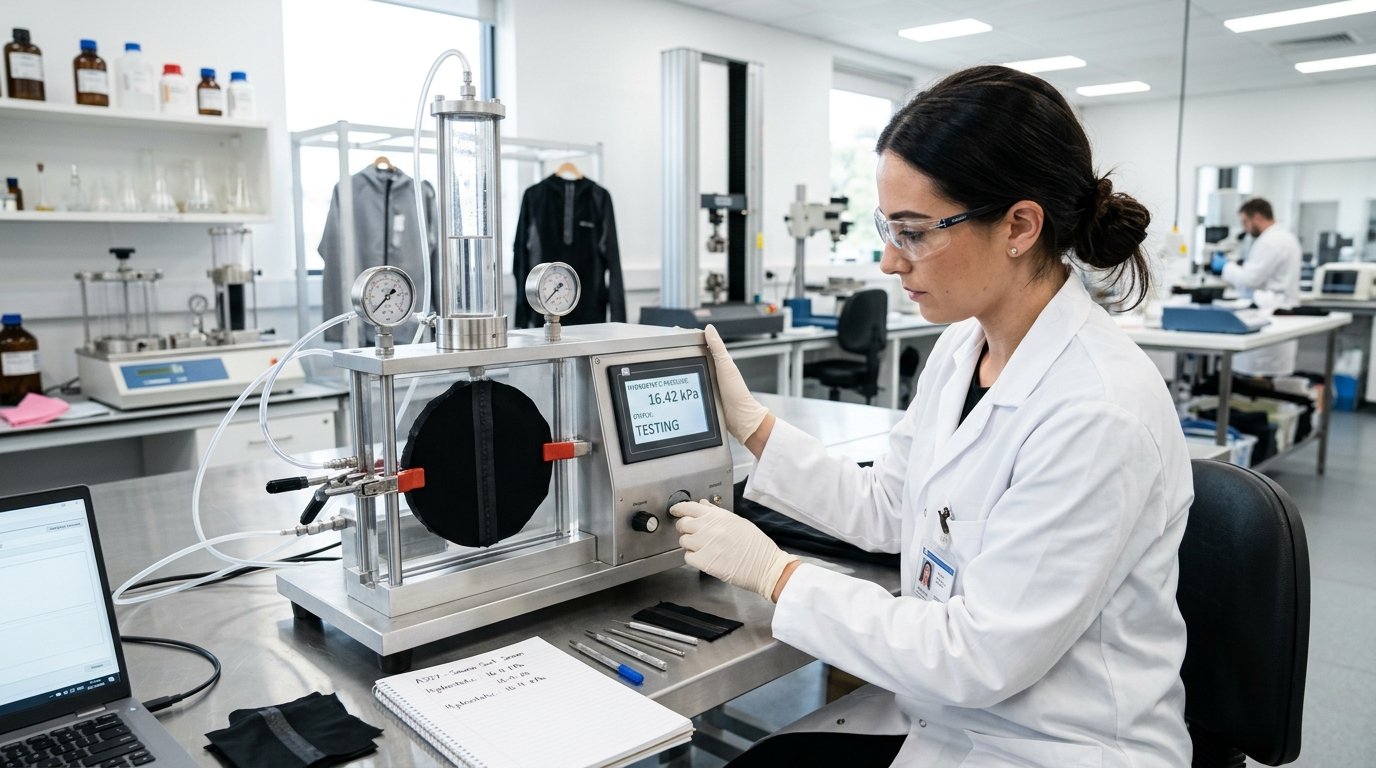
Before shipping bulk orders to overseas brand warehouses or Amazon fulfillment hubs, reputable manufacturers execute comprehensive quality control protocols adhering to ISO and AQL 2.5 standards:
- Hydrostatic Water Column Test (JIS L 1092): Assesses the water impermeability of both the raw coated textile and the heat-taped seams. Premium suits must resist a minimum of 5,000mm to 10,000mm of water column pressure.
- Dynamic Seam Tensile Pull Test (ASTM D5034): Clamps seam sections under calibrated mechanical load to verify that taped seams withstand at least 250N of directional tensile force without delamination or stitch failure.
- Repeated Wash & Delamination Cycles (AATCC 135): Samples undergo 30 to 50 simulated cold-rinse cycles to confirm the internal silver radiant film does not flake, crack, or dissolve under moisture exposure.
- Elastic Memory Fatigue Testing: Cuffs and waistbands are extended to 100% elongation over 5,000 cycles to ensure the internal elastic components retain elasticity without sagging.
MOQ, Sourcing Economics & Production Timelines
Sourcing custom sauna suits offers distinct supply chain advantages compared to heavy leather equipment. Because the fabric can be pre-dyed and cut on high-speed CNC laser cutters, production cycles are exceptionally agile. Understanding manufacturing MOQ structures enables emerging fight brands to manage cash flow while expanding their apparel catalogue.
| Production Stage | Standard Turnaround Time | Key Deliverables |
|---|---|---|
| 1. Tech Pack Review & Quotation | 24–48 Hours | Bill of Materials (BOM), unit costing & freight estimates |
| 2. Physical Prototype Sampling | 7–10 Business Days | Complete 2-piece sample with custom logos & taped seams |
| 3. Bulk OEM Production | 20–30 Days (50–500 units) | Precision cutting, assembly, seam sealing, QA inspection |
| 4. Express Air or Ocean Freight | 4–7 Days (Air) / 25–35 Days (Sea) | Door-to-door delivery with DDP customs clearance |
Why Partner with Pentapunch for Custom Sauna Suits?
As an established combat sports equipment and performance apparel manufacturer based in Sialkot, Pakistan, Pentapunch provides international brands with direct-from-factory pricing, advanced textile engineering, and rigorous European/US compliance standards. Whether you are launching a startup fightwear brand or scaling an established commercial gym line, Pentapunch delivers:
- Factory-Direct Pricing: Eliminate intermediary trading agents to maximize gross profit margins on your apparel lines.
- Low MOQ Flexibility: Low starting MOQs per colorway to allow rapid prototyping and market validation.
- Full Custom Tech Pack Support: In-house pattern makers and graphic designers to convert your brand concepts into production-ready CAD files.
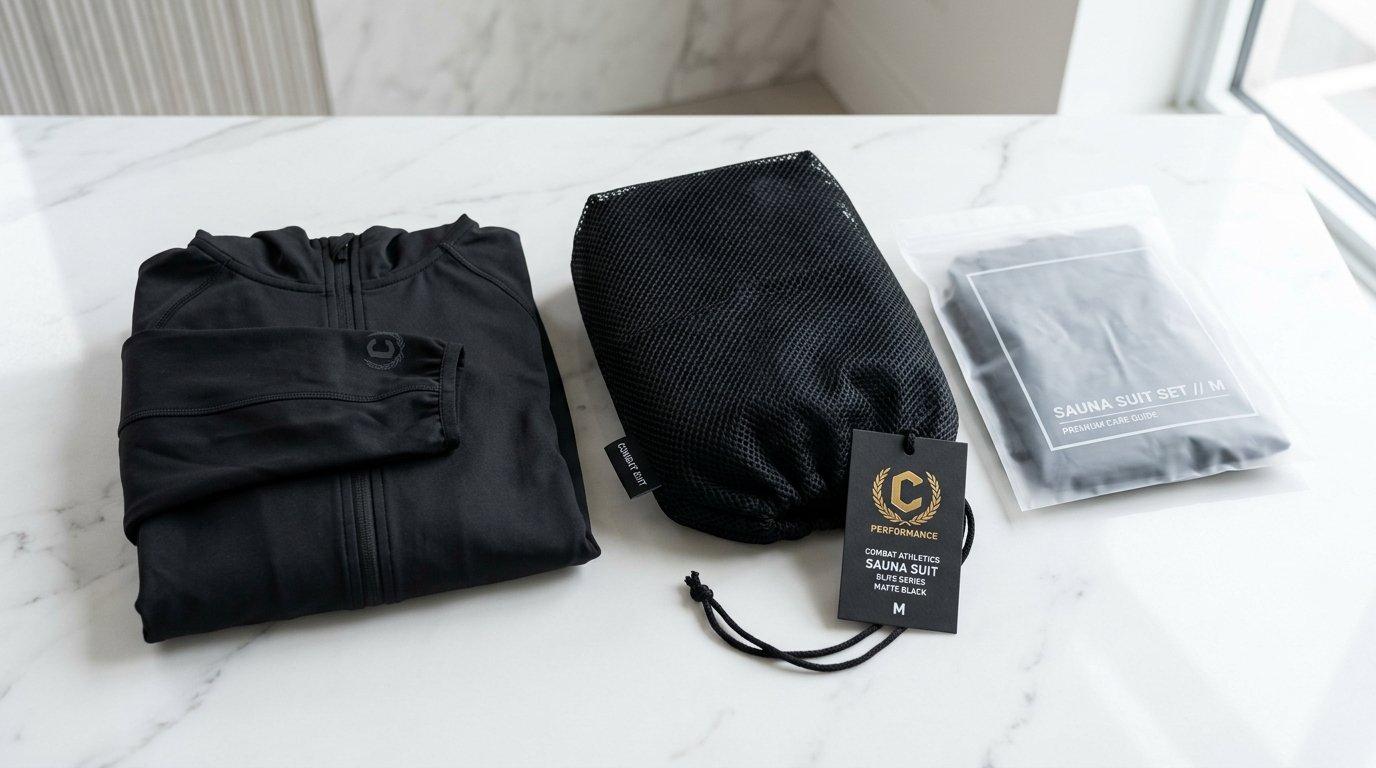
- Comprehensive Turnkey Packaging: Branded waterproof travel bags, hang tags, barcode stickers, and Amazon FBA-compliant master cartons.
Frequently Asked Questions (PAA Optimized)
What is the best fabric for custom combat sports sauna suits?
High-density 210T ripstop nylon or polyester with an internal polyurethane (PU) silver heat-reflective nanocoating is the industry standard. It provides 100% windproof and waterproof thermal retention while offering superior tear resistance during dynamic padwork and sparring.
Why are taped seams essential in professional weight-cut suits?
When a garment is stitched, sewing needles puncture micro-holes through the waterproof barrier. Without hot-melt polyurethane seam sealing tape applied under high temperature and pneumatic pressure, body heat and steam escape, and accumulated sweat can seep through the seams during training.
Can custom logos be embroidered on sauna suits?
No. Standard embroidery pierces thousands of needle holes through the fabric, ruining the suit’s airtight heat-trapping barrier and water resistance. High-density silicone transfer prints, reflective 3M heat transfers, or welded 3D TPU badges are the recommended customization methods.
How do athletes safely clean and care for silver-lined sauna suits?
Sauna suits should be hand-washed or rinsed in cold water immediately after workouts and hung to air dry inside out. Hot water, bleach, tumble dryers, and machine agitation should be avoided to prevent delamination of the internal silver radiant film.
What is the standard MOQ for private label sauna suits at Pentapunch?
Standard OEM starting quantities typically begin at 50 to 100 sets per colorway across graded sizes (S through 3XL), with lower sampling thresholds available for confirmed custom brand developments.
How does a sauna suit differ from neoprene compression apparel?
Sauna suits are loose-fitting microclimate shells made from lightweight ripstop fabric designed for total thermal reflection and sweat induction across the entire body. Neoprene compression wear fits tightly against the skin, providing localized compression and heat retention for targeted joints and muscles.
Ready to Launch Your Custom Sauna Suit Line?
Contact Pentapunch’s OEM combat apparel engineering team today to receive a complete material catalog, competitive factory quotation, and rapid pre-production prototype.