
Blog
Custom BJJ Gi Manufacturer: Weave Types, GSM & OEM Sourcing Guide

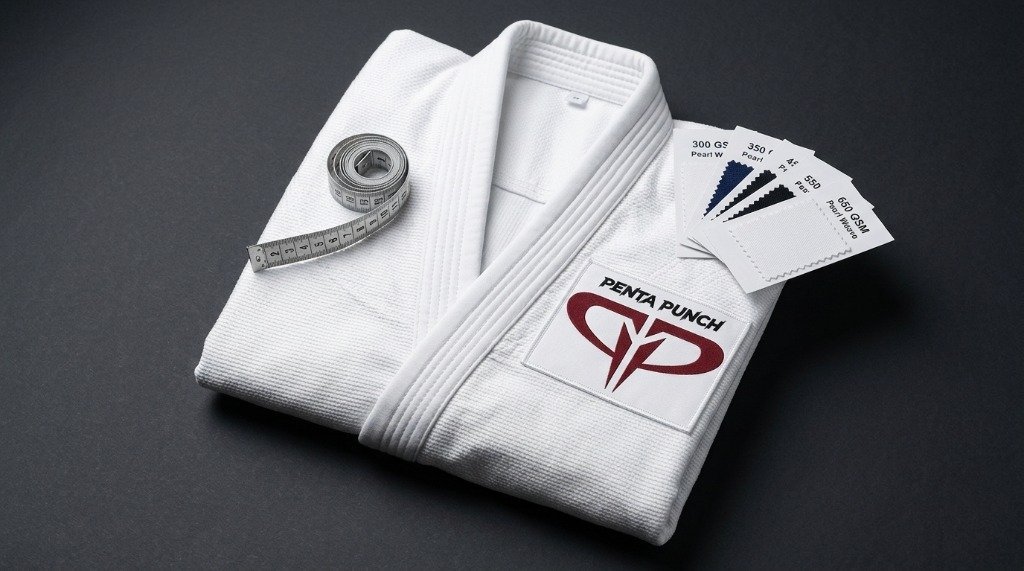
Building a BJJ apparel brand means making one consequential decision before anything else: the gi. Not the logo, not the belt colors, not the retail price the gi itself. The fabric weave determines how the kimono behaves under competitive grappling pressure. The GSM tells you how long it will survive repeated tournament washing cycles. The collar core construction is often the single factor that separates a gi buyers return to from one they discard after three months.
This guide is written for brand owners, distributors, and importers who need to evaluate BJJ gi manufacturers from a production engineering perspective. You will learn how gi weaves are produced, how to evaluate GSM for your target market, what collar construction methods exist, and how to structure an OEM or private label order with a manufacturer in Sialkot.
Why the Weave Construction Matters More Than the Brand Name
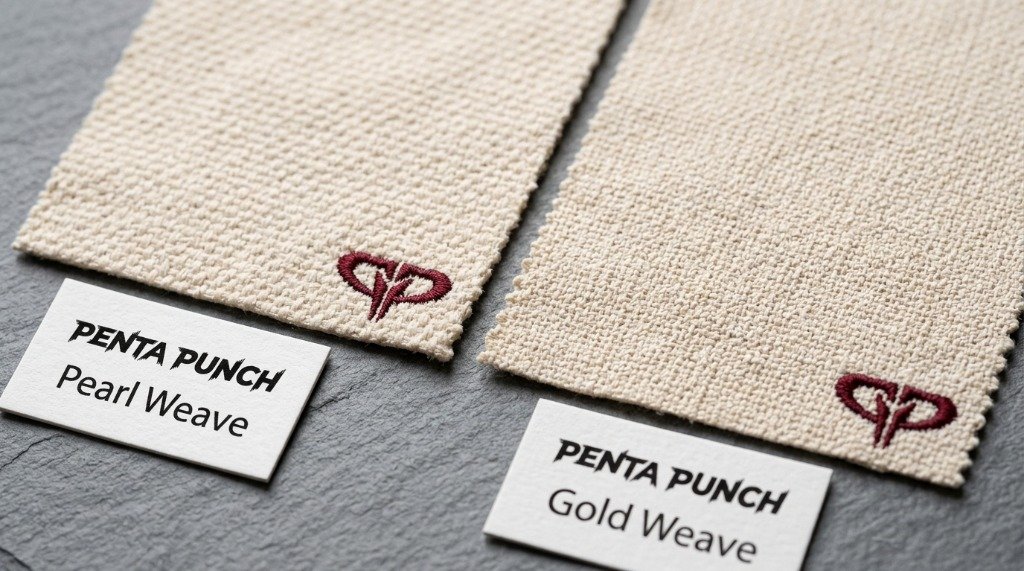
Most buyers shopping for a gi manufacturer focus on price per unit. Experienced brand owners focus on weave construction first, because the weave determines everything else downstream — shrinkage rate, weight after washing, tear resistance, and how the gi feels against a training partner’s grip.
Pearl Weave
Pearl weave is the industry standard for competition gis. The fabric is produced by interlacing warp and weft threads in a pattern that creates a raised, pearlescent surface texture. This texture reduces fabric-to-fabric friction, which matters during guard work and grip fighting. Production weight for pearl weave typically ranges from 350 GSM to 550 GSM. Competition-grade gis are usually 420-450 GSM, offering the balance IBJJF specifications require.
Gold Weave
Gold weave was the competition standard before pearl weave became dominant, and it remains popular among traditionalist brands. The weave produces a denser, smoother surface with a slightly stiffer hand feel when new. Its advantage is durability — the tighter interlock structure resists fraying better than pearl weave at equivalent GSM weights. Gold weave is appropriate for brands targeting BJJ schools with heavy-contact, frequent-wash training cultures.
Double Weave
Double weave gis use a thicker, layered fabric construction — typically 700 GSM or above. Very few competition brands produce double weave today. Its primary use case is supply to gym chains that require a training gi capable of withstanding daily heavy use without structural degradation.
Ripstop Panels
Ripstop is not a full-gi weave but a fabric used for panels — particularly the pants sections. It is a lightweight reinforced nylon or polyester construction with a distinctive grid pattern. Many premium gi brands use a pearl weave jacket combined with ripstop pants for their lightweight or summer competition models.
BJJ Gi Weave Comparison
| Weave Type | GSM Range | Weight | Durability | Best For |
|---|---|---|---|---|
| Pearl Weave | 350-550 GSM | Light to Medium | High | Competition, Premium Brands |
| Gold Weave | 450-600 GSM | Medium to Heavy | Very High | Training Schools, Durability Brands |
| Double Weave | 700+ GSM | Heavy | Exceptional | Gym Supply, Heavy Training |
| Ripstop Panels | 160-240 GSM | Very Light | High (grid-reinforced) | Lightweight / Summer Gis |
Understanding GSM in BJJ Gi Manufacturing
GSM stands for grams per square metre — the standard measurement for fabric weight. In BJJ gi production, GSM directly determines gi weight for tournament weigh-ins, thermal comfort during training, and washable longevity over the garment’s life cycle. Always request the GSM specification as a contractual part of your production order.
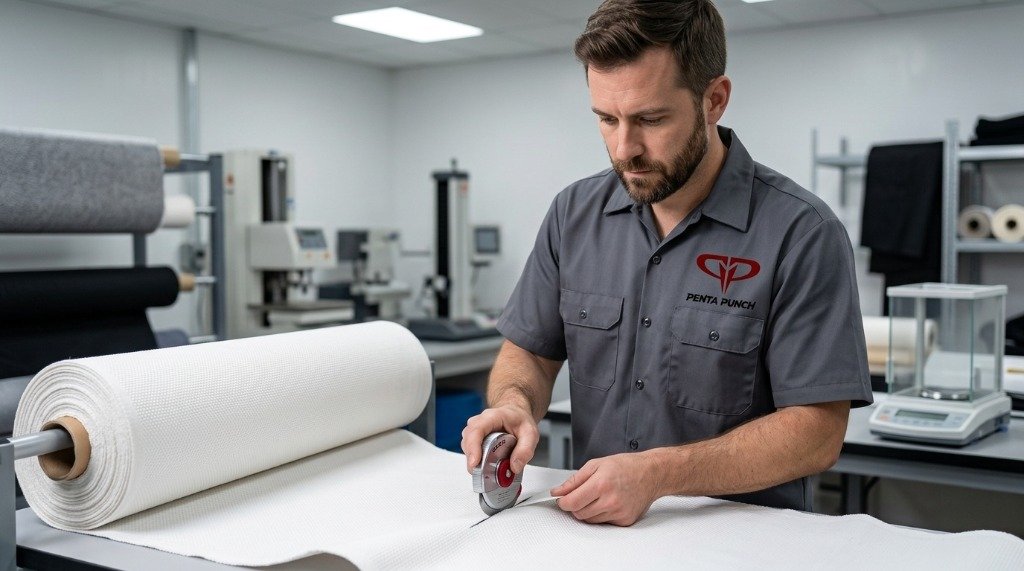
- 350 GSM: Lightweight / summer training gis — warm-climate markets (UAE, Brazil, Southeast Asia)
- 420-450 GSM: IBJJF competition standard — most commonly requested for premium competition brands
- 500-550 GSM: Mid-heavy training gis — popular in UK, Germany, Canada
- 700+ GSM: Institutional / gym supply gis — multi-year durability priority
Collar Construction: The Most Overlooked Engineering Specification
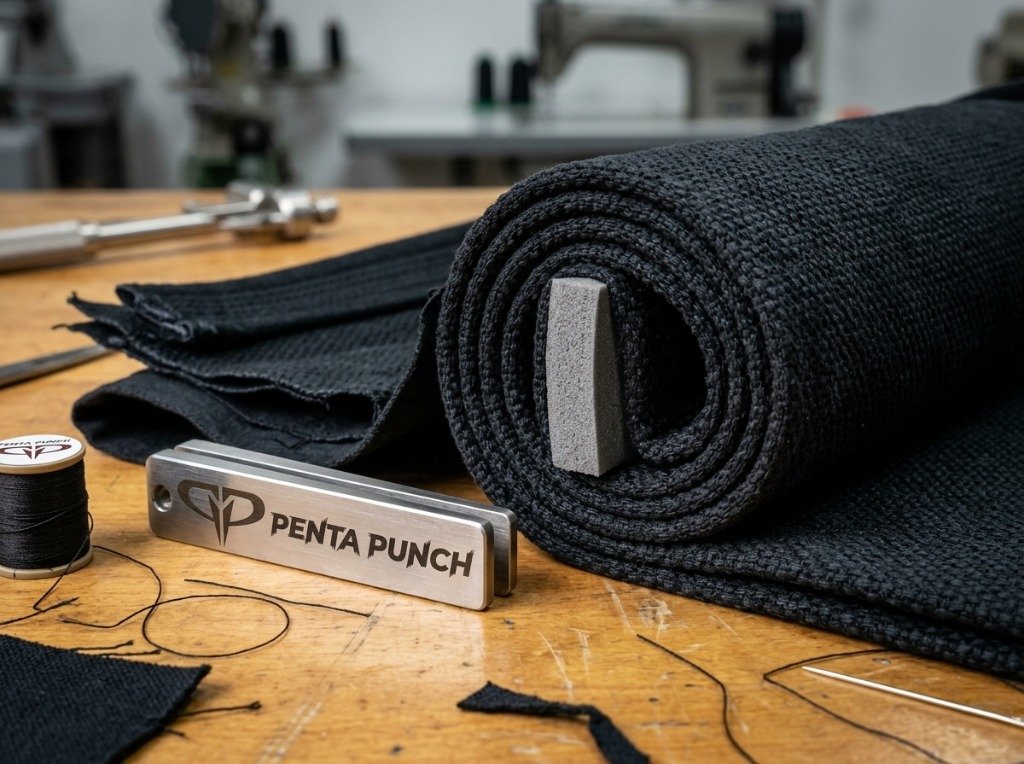
The gi collar is the most mechanically stressed component of the entire garment. During a BJJ match, collar grips apply concentrated tensile and rotational forces over thousands of repetitions across the gi’s useful life. Most BJJ gi manufacturers use one of three collar core constructions.
EVA Foam Collar Core
EVA (ethylene-vinyl acetate) foam is the most widely used collar core material in OEM gi manufacturing. It provides consistent stiffness, resists moisture retention, and returns to its original shape after compression. Standard EVA collar cores are cut 10mm to 14mm thick, then wrapped in multiple layers of jacket fabric before being stitched shut using a high-count lockstitch.
Natural Rubber Collar Core
Rubber collar cores produce a firmer, more rigid collar feel that many competition practitioners prefer for grip control. Natural rubber maintains high stiffness even when saturated with sweat and does not compress as readily under repetitive grip pressure. The trade-off is weight — a factor for athletes cutting weight for IBJJF tournaments.
Multi-Layer Fabric-Wrapped Collar
Some manufacturers produce collars using only tightly rolled and stitched layers of the gi fabric itself, without a foam or rubber core. This method produces an extremely dense, heavy collar with a distinctive traditional feel. Multi-layer fabric collars are the hardest to standardize across production batches.
Seam Reinforcement Engineering in BJJ Gi Production
Seam failure is the primary cause of BJJ gi warranty claims. The underarm seam, shoulder seam, and knee seam of the pants all endure extreme multi-directional stress during training.
Standard Seam Stitch Types
- Flatlock Stitch: Used for stress areas including the underarm gusset and crotch seam. Requires 5-needle or 6-needle flatlock machine — always confirm the machine count with your supplier.
- Lockstitch (301): Standard body seam stitch for jacket panels. Should be minimum 8-10 stitches per inch for competition-grade gis.
- Overedge Stitch (504/516): Used to finish raw seam edges and prevent unravelling. Always paired with the primary stitch.
Bar-Tack Reinforcement Points
Bar-tacks are dense, short stitch clusters applied at high-stress points. A premium gi manufacturer should bar-tack a minimum of 8-12 points across the jacket and 6 points across the pants. Manufacturers who do not specify bar-tack placement in their technical spec sheet are likely to under-apply them in production.
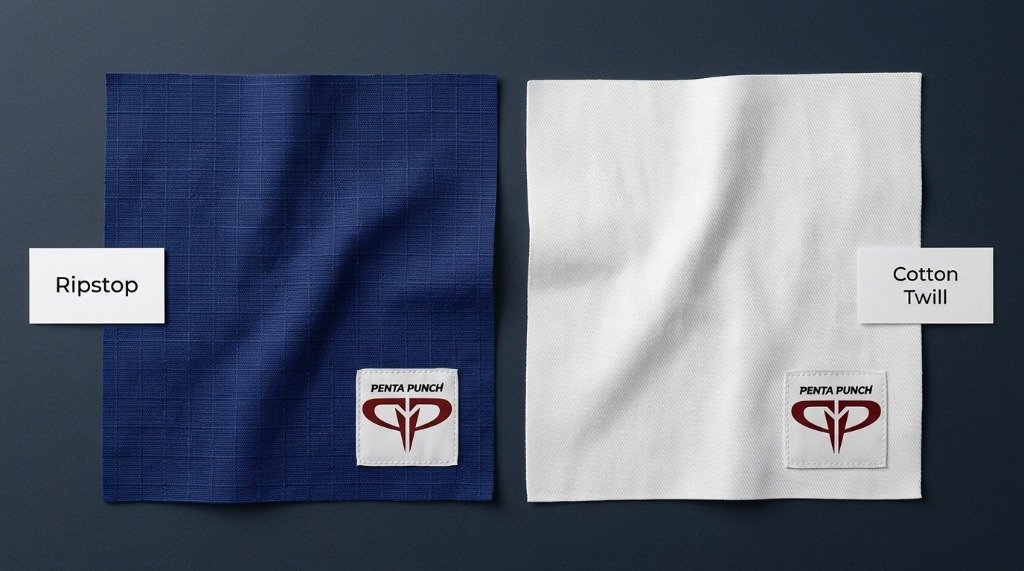
Gi Pants Construction: Ripstop vs Twill
Most buyers focus their fabric specification on the jacket, but pants construction deserves equal attention. BJJ pants endure consistent stress from guard pulls, single-leg takedowns, and repeated squatting and sprawling movements.
Ripstop Pants
Ripstop fabric uses a reinforced grid woven from high-tenacity nylon or polyester threads. The grid structure arrests tear propagation. Ripstop pants paired with a 420 GSM pearl weave jacket is currently the most popular production combination among premium BJJ brands.
Cotton Twill Pants
Twill weave pants use a diagonal rib pattern and are typically manufactured from 100% cotton. They are heavier than ripstop and provide the traditional gi feel preferred by old-school practitioners. Cotton twill pants are the most shrink-prone component of a gi — your manufacturer must use preshrunk cotton fabric.
Customization Options for OEM and Private Label BJJ Gi Orders
Embroidery vs Sublimation for BJJ Gi Branding
Embroidery on gi fabric uses a multi-needle machine to sew thread-based logo patches directly into the fabric surface. The result is a raised, dimensional logo that does not fade or crack under washing. Embroidery is the most widely preferred branding method for premium BJJ gis, particularly on the jacket left chest, back yoke, and collar bands.
Sublimation printing is used primarily for the pants waistband, internal collar lining, and woven labels. For pants panels and complementary training gear like custom rash guards, sublimation allows full-colour graphic designs that embroidery cannot achieve.
Gi Colour and Dye Compliance
IBJJF-approved gi colours are white, blue, and black. Competition-entry brands should confirm their manufacturer uses reactive dyes with a colour fastness rating of minimum 4 on the ISO 105 scale.
Preshrinking: The Production Step Most Buyers Forget to Specify
Cotton gi fabric shrinks. The question is not whether your gi will shrink; it is how much, and whether that shrinkage has been accounted for in production. High-quality gi manufacturers pre-wash or pre-shrink their fabric rolls before cutting patterns — a process called sanforizing. A preshrunk gi will shrink only minimally after the customer’s first wash (typically less than 3%), whereas an unsanforized gi can shrink 8-12%.
How to Structure Your BJJ Gi OEM Manufacturing Order
Minimum Order Quantities
BJJ gi MOQ with an established OEM manufacturer typically starts at 50-100 pieces per size and colour combination. For a broader breakdown of how order volumes work across equipment lines, review our combat sports equipment MOQ guide. Full custom OEM runs with custom fabric, collar construction, and embroidery usually require 200-300 pieces per SKU. Private label programmes can often be accessed at 30-50 pieces (see our OEM vs ODM vs Private Label guide).
Technical Pack Requirements
- Jacket fabric weave type and GSM
- Pants fabric type and GSM
- Collar core material and thickness
- Stitch type and stitch density per seam zone
- Bar-tack placement map
- Size grading per size (A0-A5 for adults; M0-M4 for children)
- Embroidery placement and logo files (vector format)
- Pre-wash / shrinkage requirement
- Approved colour with dye fastness requirement
- Packaging specification
Why Sialkot, Pakistan Is a Global Hub for BJJ Gi Manufacturing
Sialkot has been exporting combat sports equipment for over a century. The city’s manufacturing ecosystem — comprising fabric mills, leather tanneries, foam suppliers, embroidery units, and stitching workshops — operates in close geographic proximity. BJJ gi manufacturing in Sialkot benefits from this integrated supply chain: fabric sourced locally arrives at the cutting floor faster, and embroidery units specializing in sports branding are located minutes from stitching factories.
- Confirms exact GSM (not a range) for jacket and pants fabric
- Specifies collar core material and thickness
- Documents stitch type per seam zone with stitches-per-inch count
- Uses preshrunk / sanforized fabric with post-wash test data
- Applies bar-tack reinforcement at minimum 8 jacket stress points
- Provides reactive dye certificate with minimum ISO 105 fastness rating of 4
- Offers size grading from A0 to A5 (adult) and M0 to M4 (children)
- Supports embroidery with vector logo file intake
- Provides pre-production sample approval with wash testing
- Can supply woven labels, care labels, and retail packaging per brand spec
Choosing the Right BJJ Gi Manufacturer for Your Brand
The BJJ gi market rewards technical precision. Brands that invest in understanding fabric specifications, collar engineering, seam construction, and shrinkage control build products that generate strong repeat purchase rates and organic word-of-mouth within BJJ academies. Sourcing your gi from Sialkot means working with manufacturers who have spent decades refining production processes for the global combat sports market. What converts a good supplier into the right manufacturer for your brand is a clear specification document and a thorough sampling evaluation.
Frequently Asked Questions
What is the best GSM for a competition BJJ gi?
420-450 GSM pearl weave is the most widely used competition specification. It satisfies IBJJF weight guidelines while offering sufficient structural strength for competitive rolling. Brands targeting warm climates can consider 350 GSM; those in cooler markets often specify 500 GSM.
What is the minimum order quantity for a custom BJJ gi from a Sialkot manufacturer?
Full custom OEM orders typically require 200-300 pieces per SKU. Private label programmes can start at 30-50 pieces per colour. MOQ varies by manufacturer and production complexity.
How much do BJJ gis shrink after washing?
Preshrunk (sanforized) cotton gi fabric typically shrinks less than 3% after the first wash. Unsanforized gis can shrink 8-12%, which can change the size classification entirely.
What is the difference between pearl weave and gold weave BJJ gis?
Pearl weave produces a lighter, stronger fabric with a pearlescent surface texture — the current competition standard. Gold weave is denser, heavier, and extremely durable — preferred for high-use training environments.
Can I get IBJJF-legal colour gis from a Sialkot OEM manufacturer?
Yes. White, blue, and black are standard production colours. Request reactive-dyed fabric with a minimum ISO 105 colour fastness rating of 4 to ensure competition-legal colour retention.
Should I use embroidery or sublimation for my BJJ gi brand logo?
Embroidery is recommended for premium competition gis because it is permanent, dimensional, and wash-resistant. Sublimation is suitable for pants waistband panels and multi-colour graphic panels.
What collar core material is best for a competition BJJ gi?
Natural rubber collar cores produce the firmest, most grip-resistant collar feel preferred by competitive practitioners. EVA foam cores are lighter and more cost-effective for training gis.
Ready to Manufacture Your Custom BJJ Gi?
Pentapunch manufactures premium BJJ gis to your exact specifications — pearl weave, gold weave, collar construction, embroidery, and private label packaging. OEM and private label programmes available from Sialkot, Pakistan.