
Blog
Custom Hand Wraps Manufacturer: Fabric & Stitching Sourcing Guide

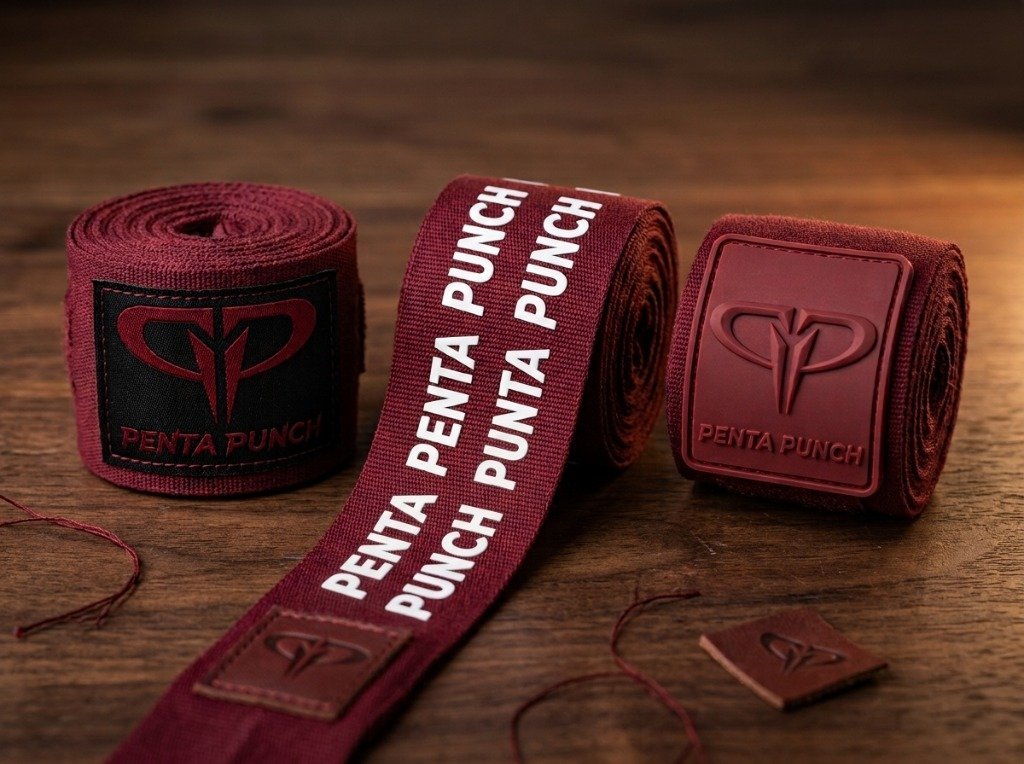
Sourcing custom hand wraps appears deceptively simple to many combat sports brand founders and gym owners. Unlike technical boxing gloves or multi-layered headgear, a hand wrap is essentially a continuous strip of woven fabric fitted with a thumb loop and a hook-and-loop closure. However, seasoned equipment distributors and fightwear brand managers know that hand wraps generate some of the highest customer return rates and negative reviews when manufactured incorrectly.
Common manufacturing flaws—such as elastane breakdown after three washes, thumb loops tearing under high tension, stiff non-stretch cotton that cuts off circulation, and rubber logo patches peeling off—stem directly from substandard factory practices. As a high-volume consumable item that every fighter uses daily, hand wraps serve as an entry point for brand loyalty.
This comprehensive sourcing guide walks B2B procurement officers, Amazon FBA sellers, combat sports brand founders, and gym owners through the technical manufacturing specifications required to produce premium, long-lasting custom hand wraps.
Fabric Engineering: Traditional Cotton vs. Mexican Stretch
The foundation of any high-performance hand wrap lies in yarn composition and weave density. When specifying requirements to an OEM manufacturer, brand owners must choose between two primary fabric categories: 100% Rigid Cotton Weave and Semi-Elastic Poly-Cotton Blend (commonly known as “Mexican Stretch”).
100% Rigid Cotton Weave
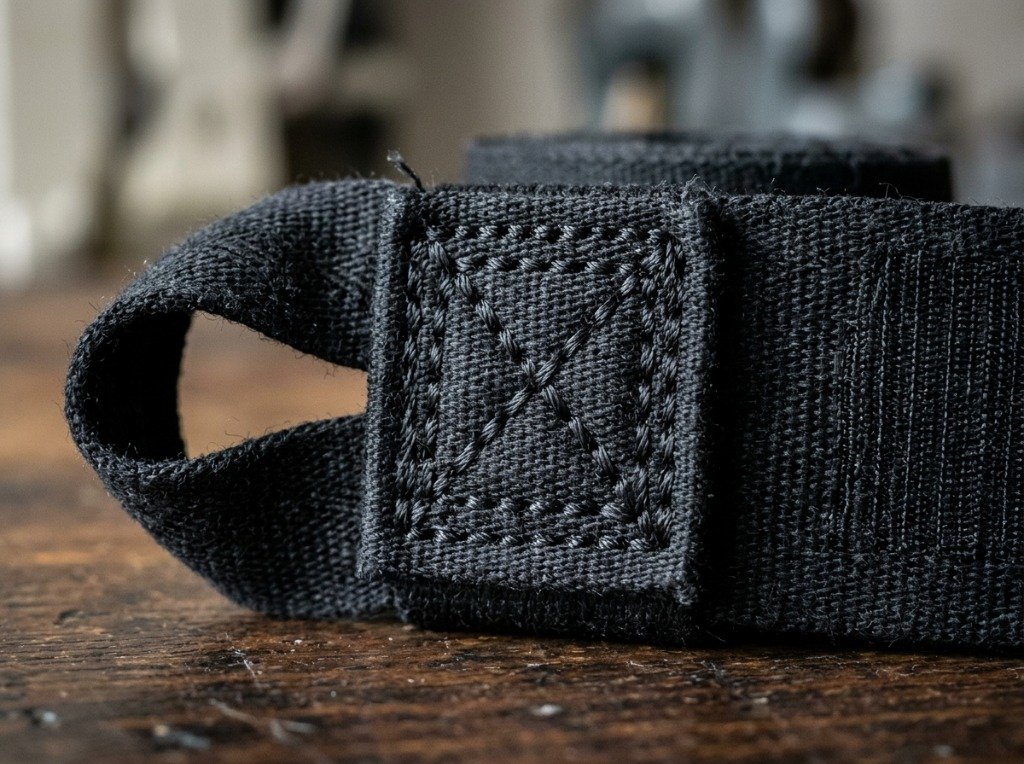
Traditional rigid cotton wraps utilize a tight herringbone or plain weave constructed from 100% natural carded or combed cotton threads.
- Tensile Profile: Zero elasticity. The wrap provides firm, unyielding support around the metacarpal bones and wrist joint.
- Pros: Highly durable, excellent sweat absorption, machine washable at high temperatures, and resistant to stretching out over time.
- Cons: Requires precise wrapping technique. If pulled too tight, rigid cotton can restrict blood circulation or cause thumb numbness during long sparring sessions.
- Ideal Audience: Traditional boxing purists, amateur boxing governing bodies requiring non-stretch wraps, and heavy-bag power hitters who prefer solid structural stabilization.
Semi-Elastic “Mexican Stretch” Blend
Mexican stretch wraps are the modern standard for professional boxing, MMA, and Muay Thai training. They combine natural cotton fibers with synthetic elastane (Spandex/Lycra) or polyester yarns.
- Blend Ratio: The industry benchmark is 70% Cotton / 28% Polyester / 2% Elastane or 80% Cotton / 20% Polyester.
- Tensile Profile: 15% to 25% controlled elastic stretch.
- Pros: Contours naturally around the contours of the hand, knuckles, and wrist joints. Allows fighters to wrap securely without cutting off arterial blood flow.
- Cons: Substandard synthetic blends degrade under heat and repeated washing, causing the wrap to warp, bacon-edge, or lose stretch memory.
- Ideal Audience: Professional fighters, MMA athletes, fitness boxers, and retail combat sports brands targeting broad consumer markets.
| Fabric Characteristic | 100% Rigid Cotton | Mexican Stretch Blend (Poly-Cotton-Elastane) |
|---|---|---|
| Elastic Memory | None (0% stretch) | Controlled (15% – 25% stretch) |
| Wrist & Metacarpal Support | Maximum rigid bracing | Adaptive contouring & compression |
| Comfort & Flexibility | Firm / Rigid | High / Ergonomic |
| Sweat Absorption Rate | Exceptional (Natural fibers) | Moderate to High (Wicking blend) |
| Wash Durability | Exceptional (High temp resistant) | High (Requires cool wash / air dry) |
| Manufacturing Cost Unit | Baseline | +10% to +15% premium |
Length Specifications & Dimensional Standards
Hand wraps are manufactured across standardized length specifications to accommodate different hand sizes, wrapping techniques, and combat disciplines.
180 Inches (4.5 Meters) — The Professional & Adult Standard
Width: 2.0 inches (5.0 cm)
Application: The universal standard for adult male and female fighters in Boxing, MMA, and Muay Thai.
Coverage: Provides sufficient length to construct a thick knuckle pad (6–8 passes over the knuckles), crisscross between all four fingers, wrap the thumb twice, and secure the wrist with 4–5 stabilizing layers.
120 Inches (3.0 Meters) — Youth & Compact Fit
Width: 2.0 inches (5.0 cm) or 1.75 inches (4.5 cm)
Application: Specifically engineered for youth boxers, women with smaller hands, or fitness boxing participants who wear compact bag gloves or cardio gloves.
Coverage: Minimal knuckle padding; focuses primarily on basic wrist and thumb protection.
Thumb Loop Construction & Stress-Point Reinforcement
The thumb loop is subject to intense pull force during the initial wrapping stage. A snapped thumb loop renders the entire wrap unusable, making thumb loop engineering a primary indicator of factory quality.
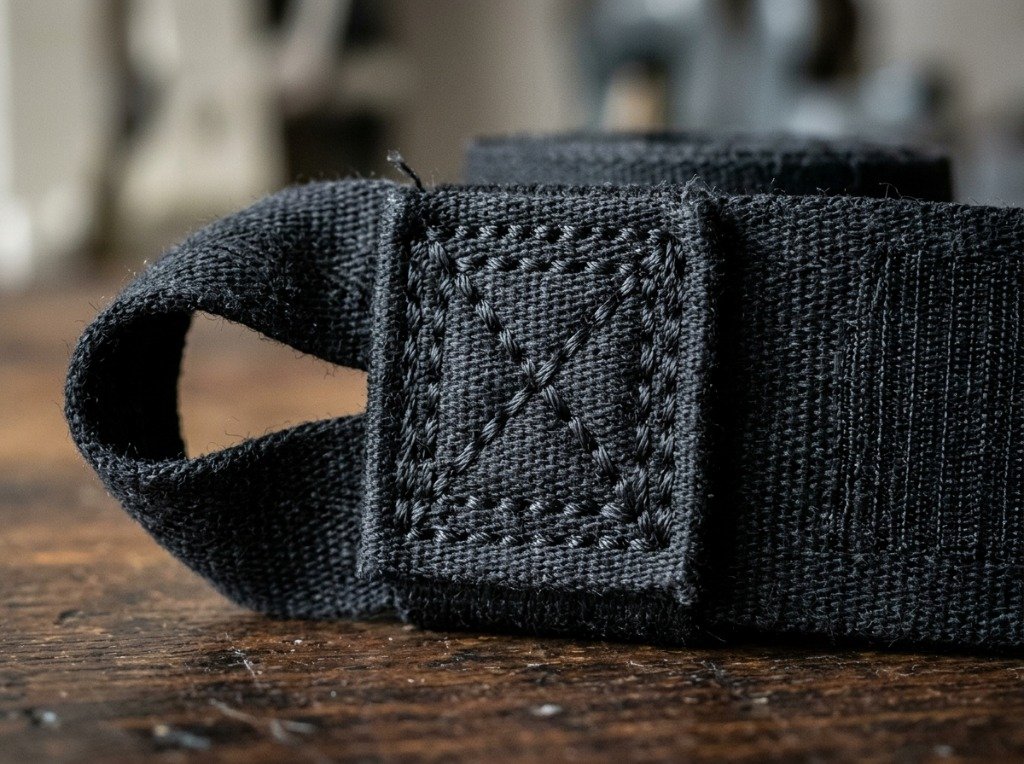
- Self-Fabric Folding vs. Elastic Tape: Inferior factories stitch cheap elastic ribbons to the end of wraps, which rot and snap quickly. Premium OEM production uses folded self-fabric bias tape made from the exact same cotton-poly blend as the main body.
- Bar-Tack Stitching: Single-needle straight stitching fails under tension. Enterprise-grade wraps require box-x stitching or high-density electronic bar-tack stitching (28 to 32 stitches per tack) where the loop meets the body.
- Directional Orientations: “This Side Down” or “This Side Up” printed indicators should be integrated near the thumb loop anchor seam to assist fighters in applying the wrap correctly on the first attempt.
Hook-and-Loop Closure Systems & Shear Strength
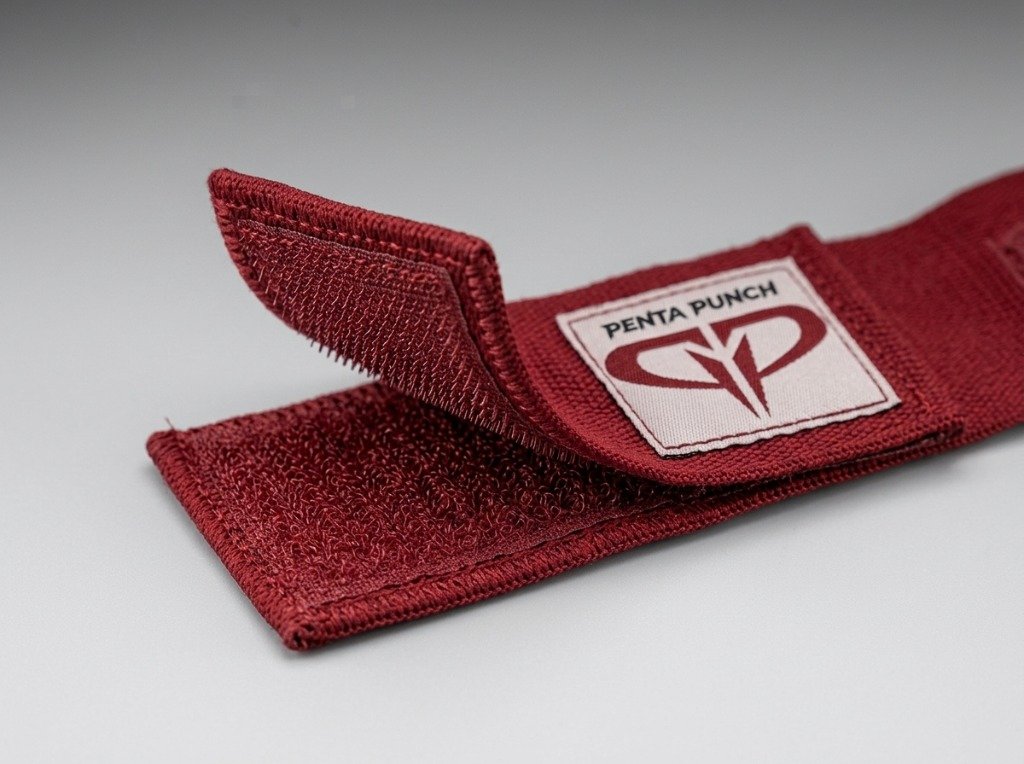
The closure system keeps the entire 180-inch wrap under uniform tension for rounds of heavy hitting. If the closure slips or unfastens inside the glove, the athlete risks acute wrist sprains.
Branding & Customization Methods
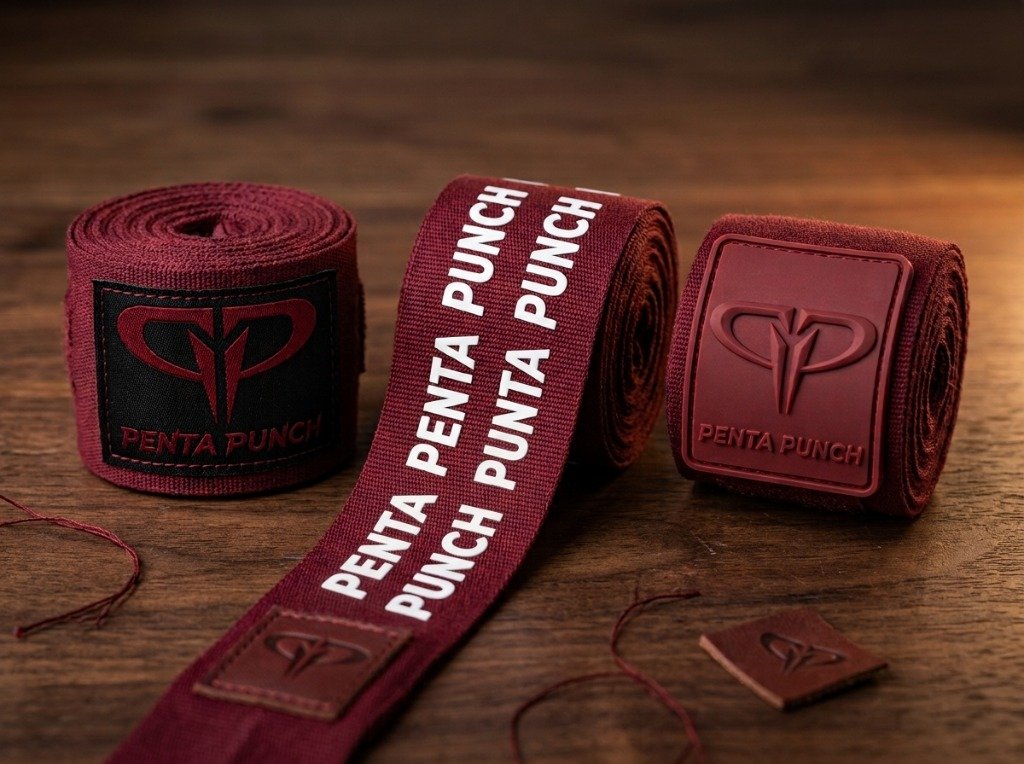
Private label clients have several options for applying logos and custom brand aesthetics to hand wraps. Choosing the right branding method depends on budget, target pricing, and aesthetic preference.
OEM Packaging Options & Retail Presentation
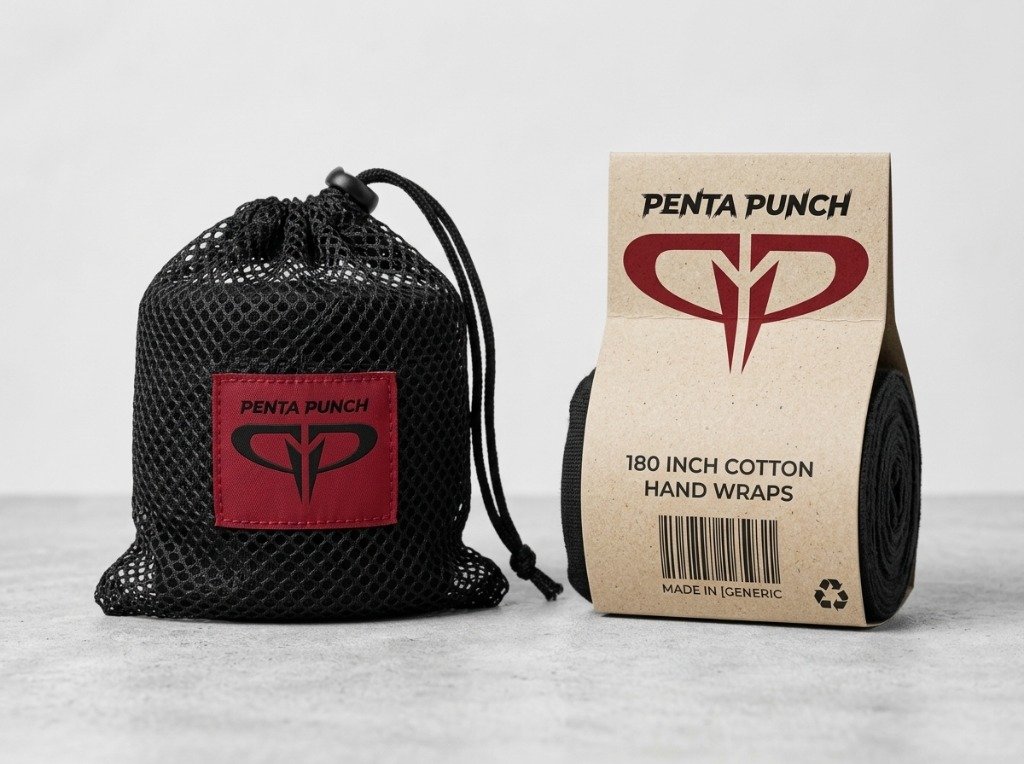
Unpackaged hand wraps tangled in a polybag look cheap and unappealing on retail shelves or Amazon storefronts. Offering structured OEM packaging elevates brand value and justifies higher retail margins.
Factory Quality Control & Testing Protocols
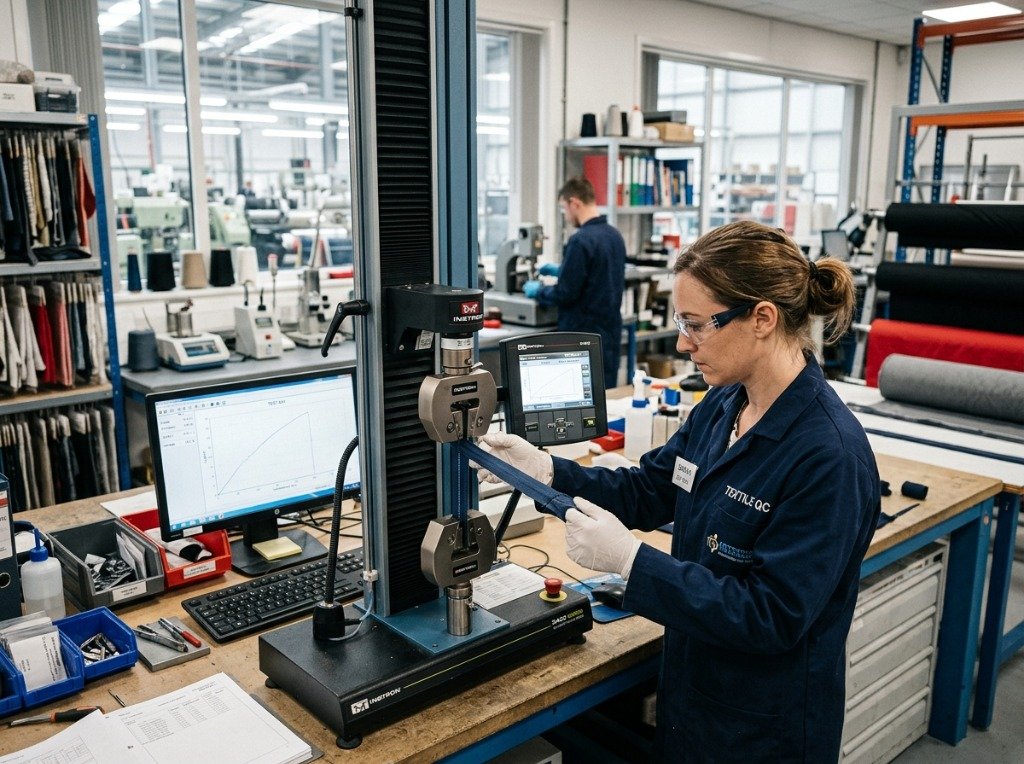
Before approving mass production orders from an OEM hand wraps manufacturer, demand proof of rigorous factory testing protocols including elasticity recovery and wash fastness.
Frequently Asked Questions (FAQs)
What is the ideal blend ratio for Mexican stretch hand wraps?
The ideal blend ratio is 70% Combed Cotton, 28% Polyester, and 2% Elastane. This ratio provides superior sweat absorption from natural cotton while maintaining 15% to 25% elastic stretch memory without losing shape after repeated washings.
Why do some custom hand wraps bleed color during washing?
Color bleeding occurs when factories use cheap direct dyes instead of reactive dyeing processes, or fail to perform post-dye wash setting. High-quality hand wraps undergo reactive dyeing and pre-washing to achieve a minimum Grade 4.0 colorfastness rating.
Can custom logos be printed directly down the length of the hand wrap?
Yes. Continuous body typography or logos can be applied down the full 180-inch strip. However, on elastic Mexican stretch wraps, factories must use flexible silicone-based inks or dye-sublimation to prevent the print from cracking when the wrap is pulled tight.
What is the difference between 120-inch and 180-inch hand wraps?
180-inch (4.5-meter) wraps are the universal adult standard for boxing, MMA, and Muay Thai, providing enough material to protect the knuckles, fingers, thumb, and wrist. 120-inch (3.0-meter) wraps are designed for youth boxers or individuals with small hands wearing compact cardio gloves.
What is the recommended MOQ for custom private label hand wraps?
Standard factory MOQs for private label custom hand wraps typically start at 200 to 500 pairs per colorway. This threshold allows custom yarn dyeing, specialized woven logo labels, and custom retail packaging.
Partner with Pentapunch for Custom Hand Wraps
Are you launching a fightwear brand, outfitting a gym chain, or scaling private label inventory? Connect directly with Pentapunch’s manufacturing team for custom material swatches and factory direct OEM pricing.