Blog
Boxing Glove Weight Guide: Choosing 8oz, 10oz, 12oz, 14oz and 16oz Gloves

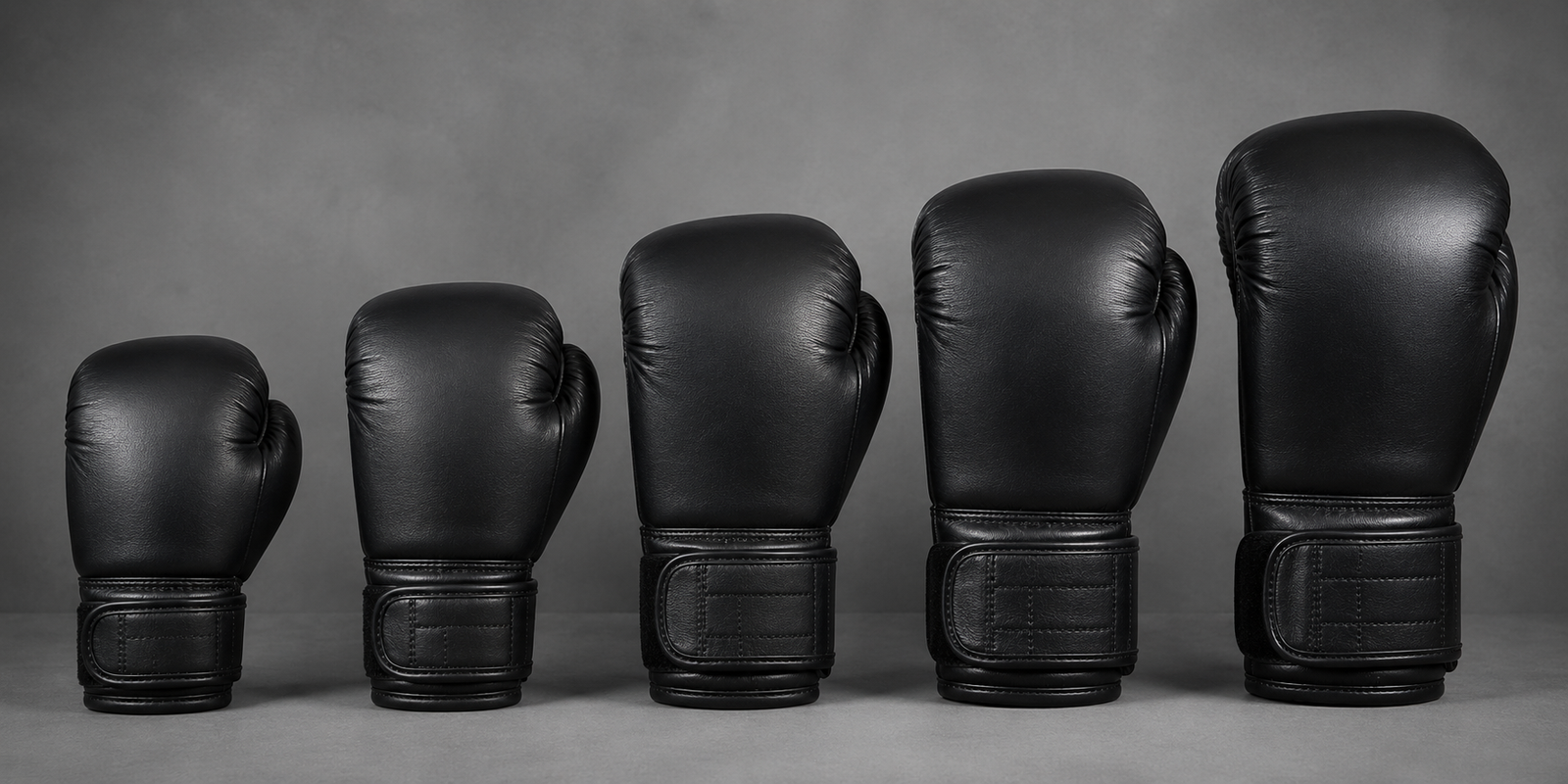
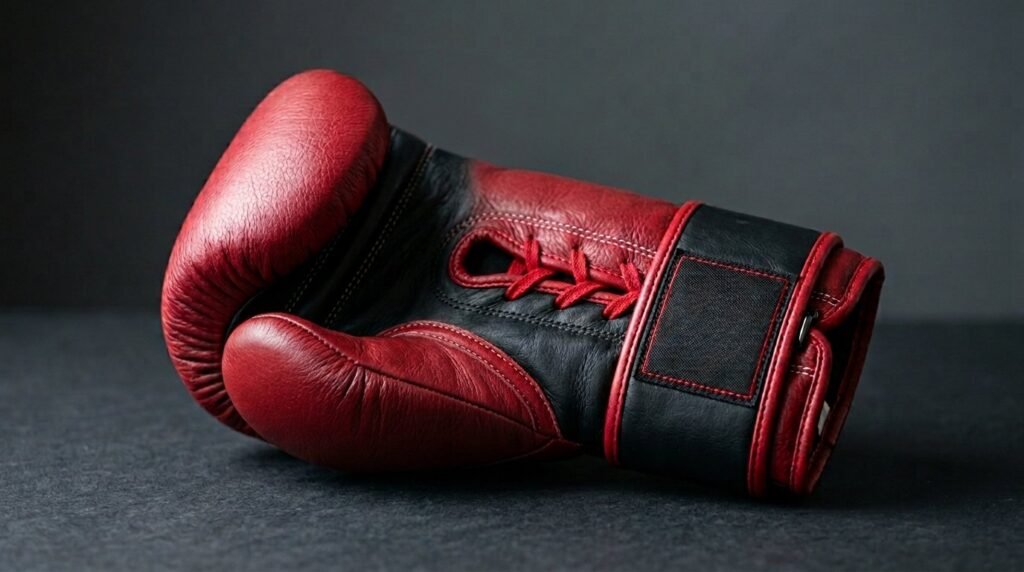
Glove weight decides more than comfort. It changes how hard a punch lands, how tired an arm gets by round three, and how safe a sparring session actually is. This guide breaks down what 8oz, 10oz, 12oz, 14oz, and 16oz gloves are actually built for, so gym owners, distributors, and private label brands can stock the right range instead of guessing.
The ounce number on a boxing glove refers to its total weight, not a padding thickness specification or a safety certification. More ounces generally means more padding volume, which spreads impact force over a larger surface and slows the glove down in the air. Less ounces means a lighter, faster glove with a smaller footprint of protection. That single trade-off — speed versus cushioning — is what every weight decision in this guide comes back to.
What Does Glove “Ounce” Actually Measure?
A 14oz glove weighs roughly 14 ounces once foam, leather or PU, lining, and wrist support are all assembled together. Hand size, wrist strength, and the type of session bag work, pad work, sparring, or competition all interact with the weight decision differently, which is why there is no single “correct” glove weight for everyone.
Boxing Glove Weight Chart: Quick Reference
Treat this table as a starting point, not a rule book. Commission requirements for amateur and professional bouts vary by federation and weight class, so any gym or brand supplying competition gloves should confirm current requirements with the relevant sanctioning body before an order ships.
8oz and 10oz: Built for Speed and Competition
8oz and 10oz gloves carry the least padding of the standard range. That makes them faster through the air and better at transmitting the feel of a clean shot, which is exactly why they show up most often in competitive bouts and in speed-focused mitt work with a coach.
The reduced padding is also why these weights are a poor choice for regular sparring between training partners. Less cushioning means more force reaches the recipient, and repeated sessions at this weight raise the risk of hand injury for the wearer too. Gyms that stock 8oz or 10oz gloves almost always reserve them for shadow boxing, bag intervals, or supervised competition use rather than partner contact.
12oz: The Default Training Glove
12oz has become the most commonly stocked weight in commercial gyms, and for a practical reason: it works reasonably well across bag work, pad holding, and technique drills without gym staff needing to swap gloves between activities.
It suits smaller-framed adults and anyone whose hands feel overwhelmed by the bulk of a 14oz or 16oz glove. It is not, however, the safest choice for regular sparring between two adults of average size, since the padding margin is thinner than what most sparring sessions call for.
14oz: The Sparring Standard
14oz sits at the point most coaches consider the baseline for safe sparring between average adult training partners. There is enough padding to absorb repeated contact over multiple rounds without the glove becoming so bulky that it slows technique work. This is usually the weight a private label brand should lead with if it is building a single “sparring glove” SKU, since it covers the widest slice of the adult hobbyist buyer group.
16oz: Maximum Protection for Bigger Hands and Beginners
16oz gloves carry the most padding in the standard range, which makes them the safer default for larger-framed fighters, complete beginners, and any gym environment where gloves are shared across many different bodyweights during the week. Many commercial gyms stock 16oz as their house sparring and rental glove specifically because the extra cushioning tolerates a wider range of punching power without needing to match gloves precisely to each individual.
Practical rule of thumb. Match glove weight to activity first, body size second. A 130lb hobbyist sparring a 220lb training partner both need 16oz gloves, not gloves scaled to their own individual size.
Why Two Gloves With the Same Ounce Number Can Feel Different
Ounce weight tells a buyer how heavy a glove is, but it says nothing about how that weight is distributed inside the shell. Two 14oz gloves can perform very differently depending on foam density, the number of padding layers, and how the padding is positioned across the knuckle area versus the palm and thumb.
A glove built with a single thick foam block feels stiff and slow to break in. A glove built with multi-layer padding — typically a firmer outer layer to disperse impact and a softer inner layer to absorb it — tends to feel more responsive at the same ounce weight, while still protecting the hand adequately. For a private label buyer, confirming foam type and layering construction during sampling is just as important as confirming the ounce weight on the spec sheet.

Foam layering affects how a glove feels far more than the ounce number alone.
Boxing vs MMA and Muay Thai: Why Ounce Weight Isn’t the Whole Story
Ounce-based sizing is a boxing glove convention built around a closed-fist, heavily padded design. MMA gloves are built lighter with open fingers to allow grappling and clinch work, so they typically sit in a much narrower, lower ounce range than boxing gloves. Muay Thai gloves usually follow the same 8oz–16oz boxing convention but are cut with a different wrist and thumb design to support elbow framing and clinch entries. Buyers sourcing across categories should treat this guide as boxing-specific and check sport-specific construction separately, rather than assuming the numbers translate directly between disciplines.
How Body Weight and Hand Size Actually Factor In
Bodyweight affects punching force, and punching force is exactly what glove padding is designed to absorb. A heavier puncher generates more force per shot, so sparring partners facing that puncher need more padding regardless of their own size — the glove is protecting both people, not just the wearer.
Hand size mostly affects fit and closure comfort rather than the ounce decision itself. A buyer with smaller hands may need a smaller glove shell size within the same ounce weight, which is a separate spec from padding volume. Manufacturers typically offer both a weight range and a shell size range (small, medium, large) so buyers can match both variables independently.

Glove shell size and ounce weight are separate specifications that should be matched independently.
How Glove Weight Needs Change as Training Progresses
A trainee’s glove needs rarely stay fixed for long. Someone who starts on 16oz gloves for safety during their first months of sparring often moves toward 14oz once technique and defensive habits are established, since the lighter glove rewards more precise timing and better guard positioning.
Competitive athletes typically keep a heavier glove for daily sparring and reserve the lighter competition weight specifically for fight week, rather than training exclusively in fight-weight gloves. This staged approach reduces cumulative hand strain while keeping the athlete comfortable with the lighter glove when it actually matters.
For gyms and retailers, this progression pattern is a useful merchandising insight. A beginner-focused storefront benefits from leading with 16oz and 14oz, while a shop serving competitive clients should carry the full spread down to 10oz and 8oz as well.
Common Mistakes Buyers and Gym Owners Make
⚠ Buying one glove weight for an entire gym and expecting it to suit both bag work and sparring safely.
⚠ Sizing gloves to the wearer’s own bodyweight instead of the heaviest likely sparring partner.
⚠ Assuming a higher ounce number always means better quality, rather than a different use case.
⚠ Ordering competition gloves without confirming the sanctioning body’s current weight requirement.
⚠ Stocking only one SKU when the buyer base actually spans bag-only users, sparring pairs, and competitive athletes.
Sourcing the Right Weight Range for Wholesale and Private Label Orders
Brands and gym distributors placing a bulk or private label order rarely need every weight in the range. Most catalogs perform best with three focused SKUs: a 12oz for general training and smaller-framed buyers, a 14oz for standard adult sparring, and a 16oz for larger fighters and shared gym use. Competition-only 8oz and 10oz gloves are usually a smaller, specialized add-on rather than a core catalog item.
- Confirm foam density and layering during sampling, not just the ounce number on the spec sheet — two 14oz gloves from different factories can perform very differently.
- Consider bundling hand wraps with the glove line, since wrist and knuckle support from wraps changes how a given glove weight feels in practice.
- Double-check ounce weight labeling on hangtags, listings, and carton marking — a mislabeled weight is a common cause of returns, particularly for Amazon FBA sellers where buyers can’t check the glove before purchase.
Conclusion
Glove weight is a functional decision, not a badge of seriousness. The right choice depends on what the gloves are actually used for and who is likely to be on the receiving end of a punch, not on picking the biggest number available. Gyms, distributors, and private label brands that stock a focused, purpose-matched range — rather than one weight for everything — end up with fewer returns, safer training sessions, and a catalog that actually fits how buyers train.
Building a private label glove line? Pentapunch manufactures boxing gloves across the full 8oz–16oz range, with sample approval before bulk production and factory-direct pricing.
Frequently Asked Questions
What glove weight is best for a beginner?
Most beginners are best served by a 14oz or 16oz glove, since both offer enough padding margin for bag work, pad holding, and light sparring as skills develop.
Can I use 12oz gloves for sparring?
12oz can work for very light, technical sparring between smaller, experienced partners, but most coaches recommend 14oz or 16oz for regular sparring involving full contact.
Do women need a different glove weight than men?
Glove weight should follow bodyweight and activity rather than gender. A smaller-framed woman and a smaller-framed man doing the same activity typically need the same ounce range, though shell size may differ.
What glove weight do professional boxers compete in?
Competition glove weight requirements are set by the relevant boxing commission or sanctioning body and vary by weight class and jurisdiction. Brands and gyms should always confirm current requirements directly with that body before ordering competition gloves.
How many glove weights should a gym stock?
Most commercial gyms cover their needs with three weights: 12oz for general training, 14oz for standard sparring, and 16oz for larger members or shared rental use.
Does a heavier glove mean better quality?
No. Ounce weight reflects the intended use case, not manufacturing quality. A well-built 12oz glove with good foam layering can outperform a poorly padded 16oz glove for its intended purpose.